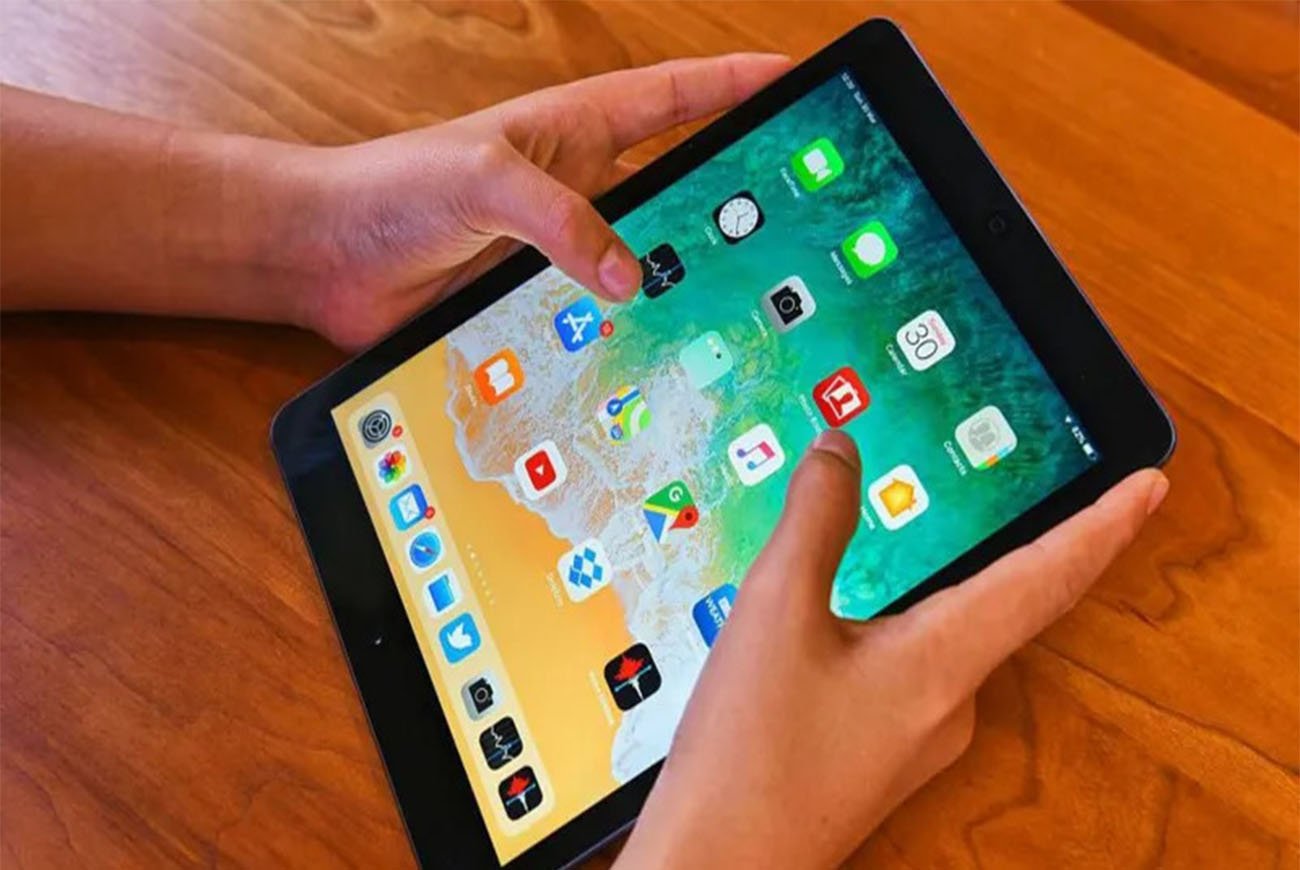
Apple is increasing the price of MacBooks and iPads worldwide due to rising memory and storage chip costs, marking one of the most significant price adjustments in the company’s recent history. The iPhone maker has hiked the prices of some laptops and tablets by almost 20%, sending shockwaves through the consumer electronics industry and raising concerns about affordability at a time when households are already grappling with inflation.
The company said the electronics industry is facing an “unprecedented challenge” due to an “extraordinary surge” in demand for chips to power AI data centres—a phenomenon that has upended traditional supply chains and created a fierce competition for components that were once abundant and relatively cheap.
“We have never seen a component price increase this much, this quickly,” the company said in a statement, adding that it was working to find solutions. The admission was striking, coming from a company known for its meticulous supply chain management and its ability to negotiate favourable terms with suppliers.
Not long after Apple’s announcement, Xbox said it had decided to significantly raise the price of its popular gaming console for the second time in less than a year due to the current “components crisis”. The Microsoft-owned company said on Thursday that the price of its basic console will go up by $100 (£75) to $499, while the price of a console with more memory will go up by $150, to $749. New prices will take effect from August.
The timing of these announcements—within days of each other—has underscored the depth of the crisis facing the technology sector. Two of the world’s most powerful companies, with vast resources and immense bargaining power, have been forced to pass rising costs on to consumers. If they cannot absorb the shock, the question on everyone’s mind is: who can?
1. A perfect storm: AI, data centres, and the chip crunch
Much of the increased prices for memory and storage components—particularly RAM, a form of computer memory essential for virtually all computing devices—have been attributed to a proliferation of data centres needed to power the AI boom. The rise of generative AI, large language models, and machine learning applications has created an insatiable demand for high-performance computing infrastructure.
This, experts say, has caused an imbalance between supply and demand which means everyone has to pay more. Manufacturers of memory chips, storage drives, and other critical components have prioritised AI data centre clients, who are willing to pay premium prices. Consumer electronics companies, once the largest buyers of these components, have been pushed to the back of the queue.
The world’s largest chipmaker, Taiwan Semiconductor Manufacturing Company (TSMC), has also said that inflation is pushing up the cost of doing business. Speaking to the BBC earlier in June, Wendell Huang of TSMC—which makes chips for the likes of Nvidia, AMD, and Apple—did not rule out its own price rises amid spiking costs. His comments sent a chill through the industry, as TSMC’s pricing decisions have a knock-on effect on virtually every electronics manufacturer on the planet.
Paolo Pescatore, a tech analyst who has been tracking the crisis, said Apple’s actions demonstrated the extent of the challenges for “even for the world’s biggest technology companies.”
“This is a significant moment because even Apple, with its scale and buying power, is no longer immune to the rising cost of key components,” he told the BBC. “If Apple is forced to raise prices, it signals that the entire industry is under immense pressure.”
Xbox, meanwhile, said it had “hoped another price increase would not be necessary”, but blamed the rising cost of console storage and memory for needing to raise prices on consumers. The company added that while the cost of memory and storage has already more than doubled, it expects the costs to double again by 2027. That seemingly leaves the door open for Xbox to further raise prices, a prospect that will worry gamers who have already seen the cost of gaming rise significantly in recent years.
2. Apple’s gamble: Will loyal customers stomach the hike?
Affected hardware included the MacBook Pro with 1 terabyte of storage, which rose to $1,999 from $1,699 on its US store—a jump of $300, or roughly 18%. Meanwhile, in the UK, the Neo—Apple’s lowest-priced laptop—has increased from £599 to £699 within months of its launch, a rise of nearly 17% that will test the loyalty of budget-conscious consumers.
“We have shielded our customers from these increases so far, but we have now reached a point where we need to begin raising prices on a number of products, including today’s increases for iPad and Mac,” the company said in its statement. The phrasing suggests that the company has been absorbing costs for months, but has finally reached its limit.
The price hikes come at a delicate moment for Apple. The company is in the midst of a leadership transition, with outgoing chief executive Tim Cook preparing to hand over the reins. Cook had hinted at the changes—telling the Wall Street Journal earlier in June that price increases were “unavoidable” due to the “unsustainable” situation around memory chips.
“We definitely need memory pricing and supply to return to reasonable levels for consumer products. That’s the bottom line,” he told the publication. His words were measured but carried an undercurrent of urgency, reflecting the frustration of an industry that has been caught off guard by the speed and scale of the AI-driven component crunch.
David Naranjo of market research firm Counterpoint said he expected other PC and tablet brands would follow Apple by upping their costs. “They may raise prices on select products, cut discounts on entry-level models, or adjust their product lines to focus more on premium devices,” he said. His analysis points to a broader industry trend: as margins are squeezed, companies are being forced to make difficult choices about which products to prioritise and which customers to serve.
But not everyone is convinced that Apple will face a backlash. Dipanjan Chatterjee, vice president and principal analyst at market research firm Forrester, said he believed Apple’s loyal customer base would take the financial hit without too much outcry.
“If anyone can survive a price increase with minimal blowback, it’s Apple,” he added. The company’s brand loyalty is legendary, and its customers have historically been willing to pay a premium for its products. Whether that remains true in an era of rising inflation and economic uncertainty remains to be seen.
3. Xbox’s second hike: Gaming becomes a luxury
Xbox’s decision to raise prices for the second time in less than a year has drawn particular attention because of the impact on the gaming community, which is already feeling the pinch of rising costs across the board.
The company previously hiked the price of its consoles in October by $20-$70, meaning the price of a new console will be 30% to 40% more expensive than it was this time last year. For a consumer who purchased a basic console in 2025, the same device now costs between $100 and $150 more—a significant increase for a product that is already a major purchase for many households.
“The entire consumer electronics industry is struggling with the current components crisis, but the effects are particularly hard on consoles,” Xbox said in a statement. Gaming consoles are complex devices that require large amounts of high-performance memory and storage, making them particularly vulnerable to supply chain disruptions.
The company’s admission that the cost of memory and storage has already more than doubled, and that it expects costs to double again by 2027, raises the possibility of further price increases down the line. For gamers who have already watched the cost of games, accessories, and subscriptions rise, the news is deeply unwelcome.
Microsoft’s Xbox has been in a fierce competition with Sony’s PlayStation for years, and price increases could shift the competitive balance. While Sony has not yet announced its own price hikes, industry observers expect that it will be forced to follow suit, given that both companies rely on similar components from the same suppliers.
The price increases also come at a time when the gaming industry is facing broader challenges, including a slowdown in post-pandemic growth, rising development costs, and increased competition from mobile and cloud gaming. Console manufacturers are under pressure to maintain their margins while keeping prices competitive, and the current component crisis has made that balancing act increasingly difficult.
4. Ripple effects: From PCs to gaming machines, no one is immune
The soaring costs have affected a wide variety of companies and products across the technology sector, including PCs, tablets, and gaming consoles. What started as a supply chain hiccup has evolved into a systemic crisis that is reshaping the entire electronics industry.
On Monday, gaming giant Valve said its original goal for the price of its gaming PC, the Steam Machine, was “no longer viable”. Instead, it launched the device at a price of £879 in the UK and $1,049 in the US—substantially higher than initially planned. The announcement was met with disappointment from fans who had been waiting for a more affordable alternative to traditional gaming PCs, but Valve’s decision reflected the harsh realities of the current market.
“Everything from your phone to your PC is getting pricier,” read one headline in a major tech publication, capturing the mood of an industry that is struggling to keep costs under control. The global electronics supply chain, which had just begun to stabilise after the disruptions of the pandemic, has been thrown into disarray once again by the AI boom.
The situation has been exacerbated by geopolitical tensions, particularly between the US and China, which have disrupted the flow of critical materials and components. Trade restrictions, export controls, and tariffs have added to the cost burden, making it even more difficult for manufacturers to maintain affordable prices.
For consumers, the news is a bitter pill to swallow. Many households are already feeling the squeeze from rising food, energy, and housing costs. Adding the cost of electronics to the list of financial pressures is likely to dampen consumer demand, potentially slowing the broader economic recovery.
Industry analysts are divided on how long the current crisis will last. Some believe that the AI-driven demand for chips will eventually moderate, allowing supply to catch up and prices to stabilise. Others worry that the problem is structural, driven by long-term trends that will keep prices elevated for years to come.
For companies like Apple and Microsoft, the challenge is to navigate the crisis without alienating their customers. Apple’s decision to raise prices on its premium products is a calculated gamble, based on the assumption that its loyal fanbase will accept the increases. Xbox’s second price hike in less than a year is a bolder move, one that tests the patience of a gaming community that is increasingly sensitive to price.